
CONTACT OX
TO LEARN MORE
Give us a call at 800-345-8881 or fill out the form below
and we’ll get back to you within two business days.
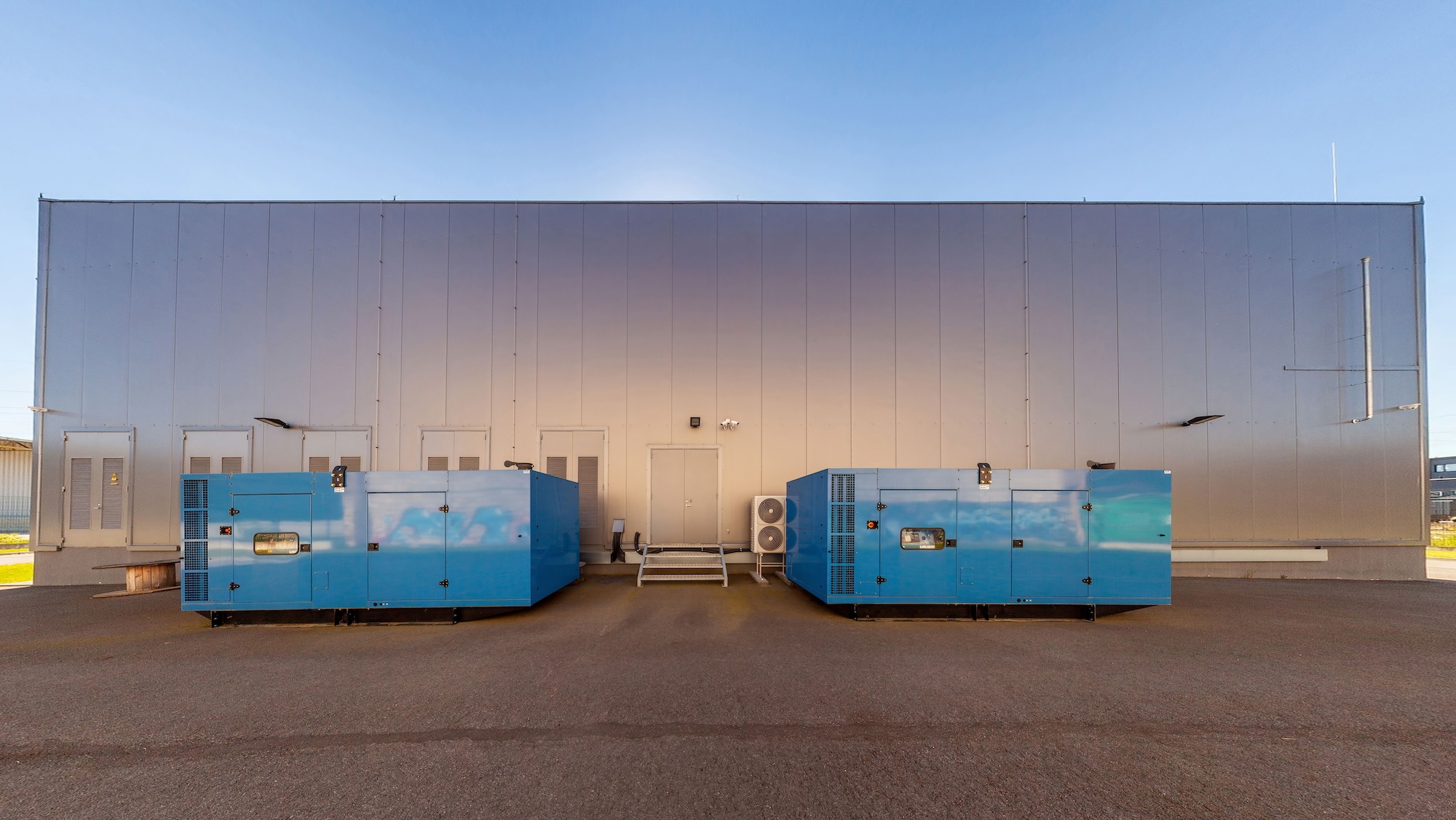
Data centers keep the digital world running, often without notice. They store our photos, power our apps, and allow our favorite shows to stream flawlessly.
But it’s not all smooth sailing behind the blinking lights, particularly with the rapid increase in data center investment to support the boom in artificial intelligence tools.
These facilities are constantly fending off heat, energy spikes, and the sneaky threat of condensation — and the margin for error is razor thin. Too much heat slows systems down. Too little control invites moisture problems. Inefficient design drives up operational and energy costs.
So how do data center stakeholders keep things cool without creating new problems? How can designs drive energy efficiency without compromising reliability?
One factor in the equation is continuous insulation: a key layer that keeps temperatures steady, blocks moisture, and maximizes efficiency, all while letting data centers perform at their peak.
Data Center Challenges
Data centers face unique operational challenges, and their needs differ from traditional commercial or industrial buildings.
Temperature
Heat management is one of the most pressing: modern servers and high density equipment can generate vast amounts of thermal energy, with up to 40 percent of a data center’s total energy consumption coming from cooling alone. If temperatures are not properly controlled, even a few degrees of overheating can lead to equipment failure, shortened hardware lifespans, and unplanned downtime. This makes the building envelope a key line of defense against heat buildup, given that these outages that can cost organizations hundreds of thousands to millions of dollars per incident.
Moisture Control
Condensation and moisture management is another challenge that data centers can’t ignore. Thwarting its success often starts at the building exterior with the right insulation.
When warm, humid air meets cold surfaces, small amounts of water can accumulate near sensitive electronics. Corrosion, short circuits, and unexpected equipment failures can quickly disrupt operations. Therefore, managing humidity and maintaining consistent airflow is critical.
Energy Efficiency
Energy use is a big deal for modern data centers, especially when it comes to cooling. Cooling needs often account for a significant portion of the electricity bill, and inefficient building envelopes or poorly insulated walls can quickly drive costs through the roof.
Energy use in U.S. data centers could double or even triple by 2028, potentially accounting for 12% of the country’s electricity. At the same time, spending on new data centers increased nearly 70% from May 2023 to May 2024, according to the American Edge Project. Simply put: data center growth shows no signs of slowing.
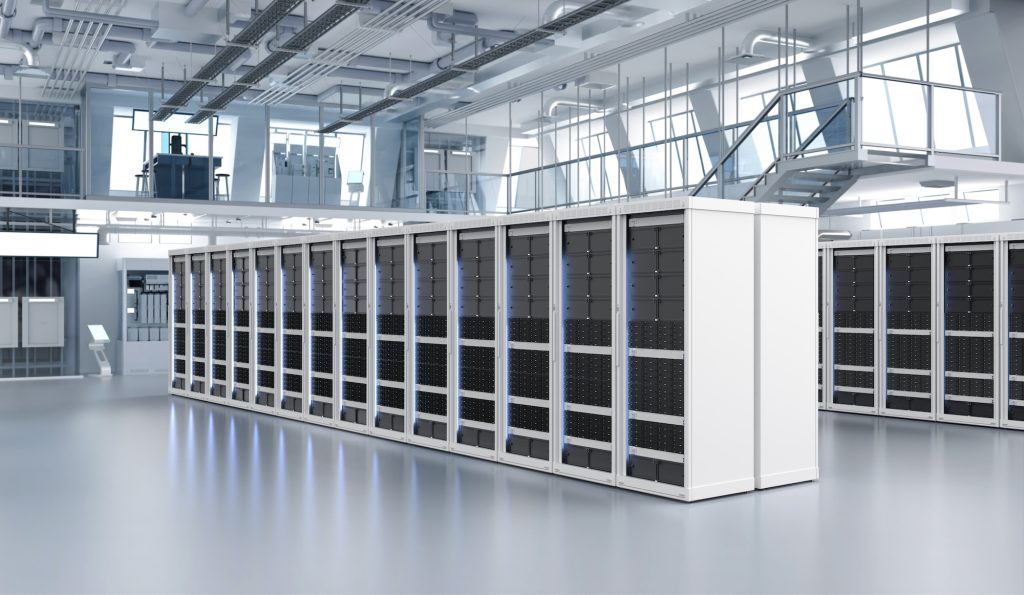
How Continuous Insulation Delivers Results
Continuous insulation (CI) drives real performance by wrapping buildings in a seamless thermal barrier that works around the clock. By reducing energy loss, stabilizing indoor climates and protecting against thermal bridging, CI helps buildings run more efficiently and last longer.
- Superior Thermal Control: Continuous insulation creates a consistent thermal envelope around the building, minimizing heat transfer and preventing temperature fluctuations.
- Moisture & Condensation Defense: By eliminating thermal bridges, CI stops condensation in its tracks, helping to protect systems from corrosion, short circuits, and costly downtime.
- Energy Efficiency & Cost Savings: With stronger insulation in place, cooling systems can work smarter, not harder, slashing energy use, reducing operational costs, and helping facilities meet their sustainability targets.
Engineered for Reliability: CI Solutions from OX
Solutions like IsoRED MAX WF by OX Engineered Products show how high-performance insulation can strengthen the building envelope for these mission-critical facilities. Designed to deliver reliable thermal control while meeting stringent fire safety standards, IsoRED MAX WF blends Class A foam with E84 Class A fire-rated performance, an essential combination in environments where safety and uptime are non-negotiable.
With R-values up to R-6.5 per inch and thicknesses up to four inches, the polyiso panels helps maintain consistent interior temperatures even under intense operational demands.
The result? Reduced thermal fluctuation, improved energy efficiency, and greater protection against the conditions that can compromise performance.
Data Centers’ Best Kept Secret
In today’s high-stakes digital world, even small lapses in temperature control, moisture management, or energy efficiency can be costly. Continuous insulation serves as the silent guardian, keeping server room temperatures steady, preventing condensation, and helping cooling systems work more efficiently.
Integrating CI into data center design is paramount for protecting equipment, safeguarding uptime, reducing costs, and building facilities that can keep pace with a booming commercial construction segment.