
CONTACT OX
TO LEARN MORE
Give us a call at 800-345-8881 or fill out the form below
and we’ll get back to you within two business days.
According to the U.S. Energy Information Administration’s (EIA) most recently published end-use estimates, space heating and air conditioning accounted for 52% of the energy used by the average U.S. home. That means more than half of residential energy use is tied to maintaining comfortable indoor temperatures, making the building envelope an important consideration for energy-efficient home design.
However, heating and cooling demands can vary significantly from one region to the next. In the Northeast, homes must withstand long, cold winters while working to retain heat indoors. In the Southeast, high temperatures and humidity can drive significant cooling demands, while homes in the Southwest face intense heat and solar exposure. These regional differences highlight the importance of building envelope strategies that can address the unique demands of each climate.
The climate may change from one region to the next, but the goal remains the same: creating homes that are comfortable, energy-efficient and built to perform.
By taking a climate-specific approach to the building envelope, builders and designers can use continuous insulation (CI) to help meet the unique demands of homes across the country.
Northeast & Midwest: Keeping Heat In
Winter in the Northeast and Midwest brings cold temperatures and a constant battle to keep heat indoors. For builders in growing markets such as Indiana, and Columbus, Ohio, cold-weather performance is top of mind.
But even well-insulated walls can have weak spots where heat slips through. That’s where continuous insulation can make a difference.
One of those weak points can be the framing itself. When framing members interrupt the insulation, they can create paths for heat to escape through the wall, a process known as thermal bridging. These areas can reduce the insulation’s overall effectiveness and contribute to heat loss in cold-climate construction.
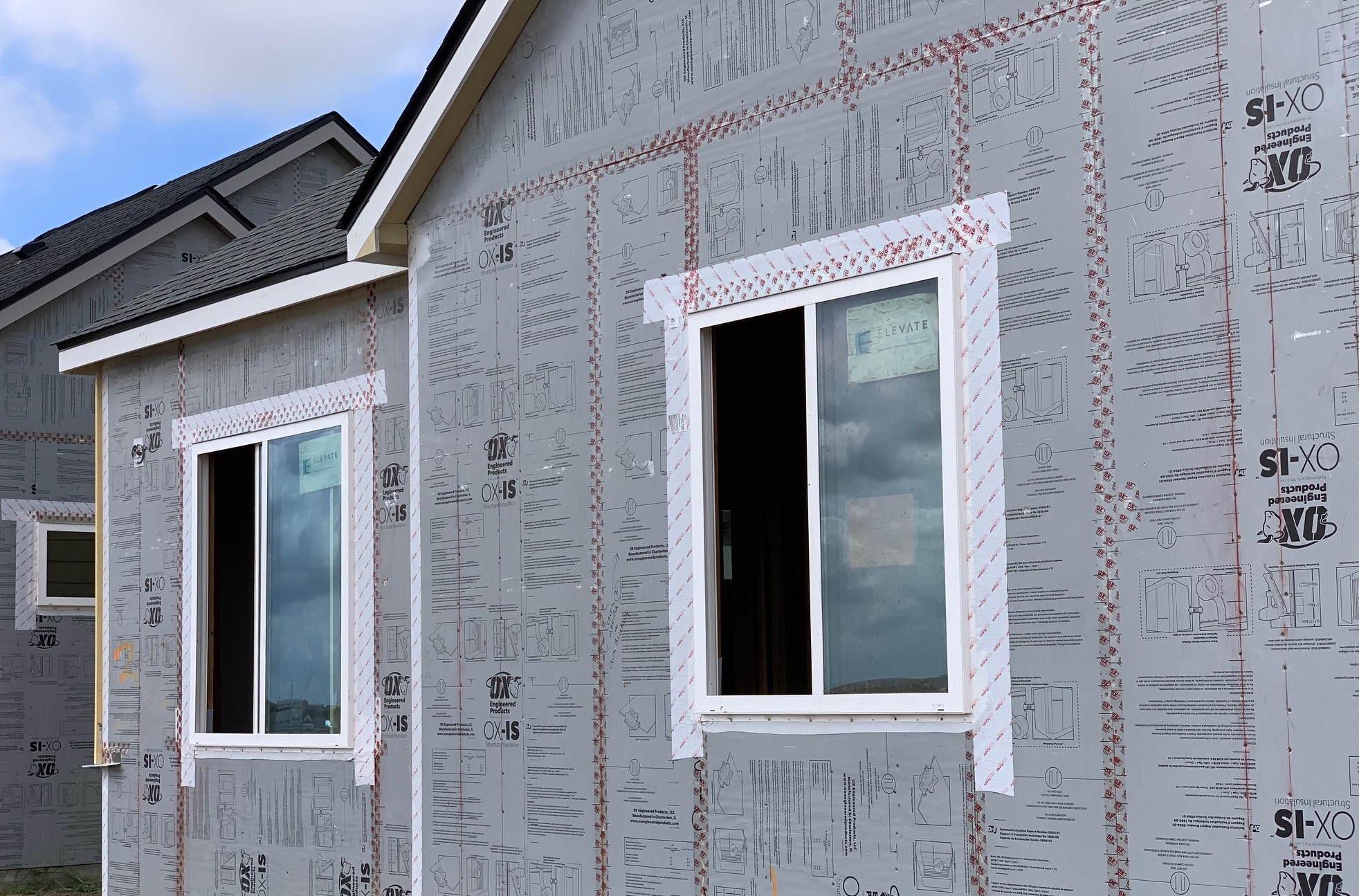
Continuous insulation can help close those gaps. Installed across the exterior of the wall assembly, CI creates a continuous layer of insulation that extends over the framing, helping reduce heat flow through thermal bridges. The result is a wall assembly designed to provide more consistent thermal protection, helping homes hold onto the heat when winter temperatures take a turn for the worse. For homeowners, that improved thermal performance can translate into lower heating and cooling demands and greater long-term energy savings, making the investment in continuous insulation increasingly valuable as utility costs continue to rise nationwide.
For builders working in cold-weather markets, it’s not just about adding more insulation. It’s about creating continuity across the entire wall assembly so the envelope can perform as intended when homeowners need it most.
Southeast & Gulf Coast: Managing Heat and Humidity
In the Southeast the challenge isn’t keeping heat inside, it’s keeping it out. For builders working in Texas – particularly East and Central Texas – hot temperatures, high humidity, and long cooling seasons can put significant demands on a home’s building envelope and HVAC system. For homes in these markets, controlling heat and moisture is essential to maintaining a comfortable interior.
Humidity adds another layer to the challenge. In hot, humid climates, the building envelope needs to do more than manage temperature; it also needs to be designed with moisture in mind. When warm, humid outdoor air interacts with cooler surfaces within a wall assembly, moisture management becomes an important consideration for long-term building performance.
When designed as part of a complete wall system, CI can also work alongside air, water, and vapor control layers to help the assembly handle the added demands of hot, humid locations.
Southwest: Tackling Extreme Heat
Continuous insulation can help limit heat transfer through the wall assembly, reducing the amount of heat that reaches the interior during periods of intense sun exposure. As with other climates, CI is most effective when considered as part of a complete wall system designed around the specific demands of the region.
In the Southwest, the building envelope faces some of the country’s most demanding conditions. Intense sun, prolonged high temperatures, and large temperature swings between day and night can all influence how a home performs. In these markets, thoughtful envelope design isn’t just about meeting the demands of a hot afternoon, it’s about creating an assembly that can perform consistently under sustained exposure to extreme conditions. As with other climates, CI is most effective when considered as part of a complete wall system designed around the specific demands of the region.
In fact, CI can be paired with other insulation strategies, including spray foam or fiberglass batts, to address different areas of the assembly and create a higher-performing wall. While CI helps provide continuous coverage across the exterior, cavity insulation can help insulate the spaces between framing members. Used together, these approaches can contribute to a more comprehensive thermal strategy.
One Strategy, Different Demands
From freezing winters in the Northeast and Midwest to heat and humidity in the Southeast and Gulf Coast and extreme temperatures in the Southwest, homes across the country face different challenges. But regardless of the climate, a high-performing building envelope starts with understanding what the individual home needs to withstand.
Continuous insulation can be an important part of that equation. When incorporated as part of a complete wall system, it can help builders address the specific demands of the climate while supporting comfortable, energy-efficient homes.
Different regions may call for different approaches, but the goal remains the same: build homes that are ready for the conditions outside while keeping the people inside comfortable.